Core Services
Occupational Therapy, Biofeedback & Neurofeedback
As a PhD-level applied psychophysiologist and occupational therapist, Dr. Amanda integrates traditional OT methods with advanced, evidence-based interventions that address the mind, body, and nervous system.

Who We Serve
Children
Supporting school success, sensory challenges, developmental delays, ADHD, and ASD.
Teenagers
Helping teens navigate anxiety, executive function challenges, social communication, and academic demands.
Adults
Addressing recovery from brain injury, cognitive decline, anxiety, depression, and peak performance goals.
The Foundation
What is Occupational Therapy?
Occupational Therapy (OT) is a client-centered, evidence-based profession that helps individuals of all ages develop, recover, or optimize the skills they need to participate fully in daily life. Occupations are the meaningful activities people do every day — from self-care and schoolwork to work tasks, play, and leisure.
Dr. Amanda works with children, teens, and adults who may experience challenges with attention, learning, sensory processing, emotional regulation, executive functioning, or recovery from injury or illness.
Her approach is comprehensive and holistic, addressing the mind, body, and nervous system to support functional independence, well-being, and performance.

Together, these services are tailored to each individual's goals —
Whether it's supporting a child's success in school, helping an adult recover from a brain injury, or assisting someone in achieving peak performance in work, sports, or creative pursuits.
Mind-Body Regulation
What is Biofeedback?
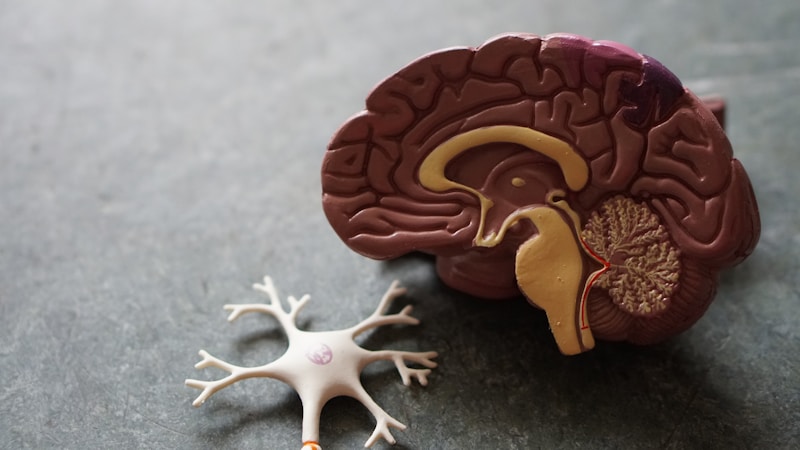
Biofeedback interventions are evidence-based techniques that teach individuals how to gain greater awareness and control over their body's physiological processes. Using non-invasive sensors, biofeedback provides real-time information about muscle activity (EMG), skin conductance (GSR), temperature, breathing patterns, and heart rate variability (HRV).
This data helps individuals learn to regulate stress responses, improve relaxation, enhance focus, and support emotional and physical well-being.
Biofeedback is particularly beneficial for managing anxiety, ADHD, chronic pain, headaches, sleep difficulties, and the effects of stress or trauma — as well as for those looking to optimize performance in school, work, or sports.
Brain Training
What is Neurofeedback?
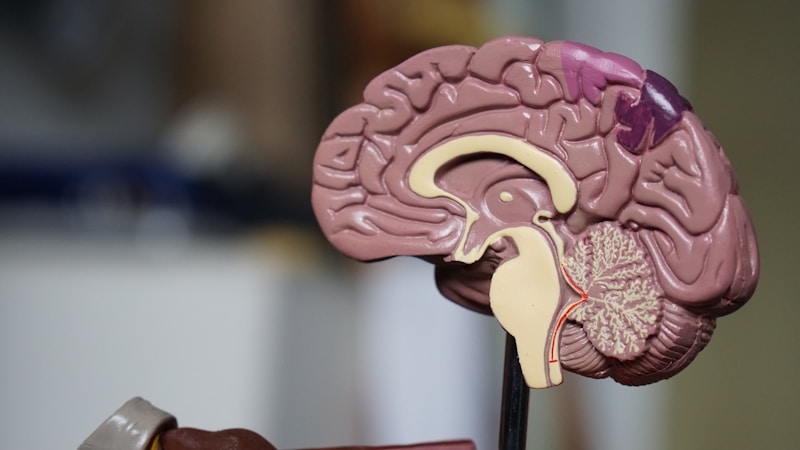
Neurofeedback is a specialized type of biofeedback that helps individuals train their brain's electrical activity for improved regulation and performance. Using sensors placed on the scalp, neurofeedback provides real-time feedback about brainwave patterns, allowing the brain to gradually learn healthier, more balanced activity over time.
At our clinic, we utilize amplitude training (teaching the brain to increase or decrease specific brainwave frequencies) and infralow neurofeedback (targeting very slow brainwave activity to support network-level regulation and stabilization of the nervous system).
Neurofeedback is an evidence-based, non-invasive intervention that can support attention, emotional regulation, sleep, and cognitive performance. It is widely used for ADHD, autism spectrum disorder, anxiety, depression, traumatic brain injury, and neurological conditions — as well as by individuals seeking peak mental performance.
Advanced Techniques
Neurostimulation
Neurostimulation interventions are non-invasive techniques that use gentle electrical or auditory stimulation to support healthy brain and nervous system function.
Transcranial Direct Current Stimulation
Delivers a low-level direct current to modulate cortical excitability and support attention, mood, and cognitive performance.
Transcranial Alternating Current Stimulation
Uses rhythmic alternating currents to gently entrain brain oscillations, supporting optimal brainwave patterns.
Audiovisual Entrainment
Rhythmic flashes of light and pulses of sound that guide the brain into specific brainwave patterns.
Pulsed Electromagnetic Field
Low-frequency electromagnetic stimulation to enhance cellular function, reduce inflammation, and support neurological recovery.